
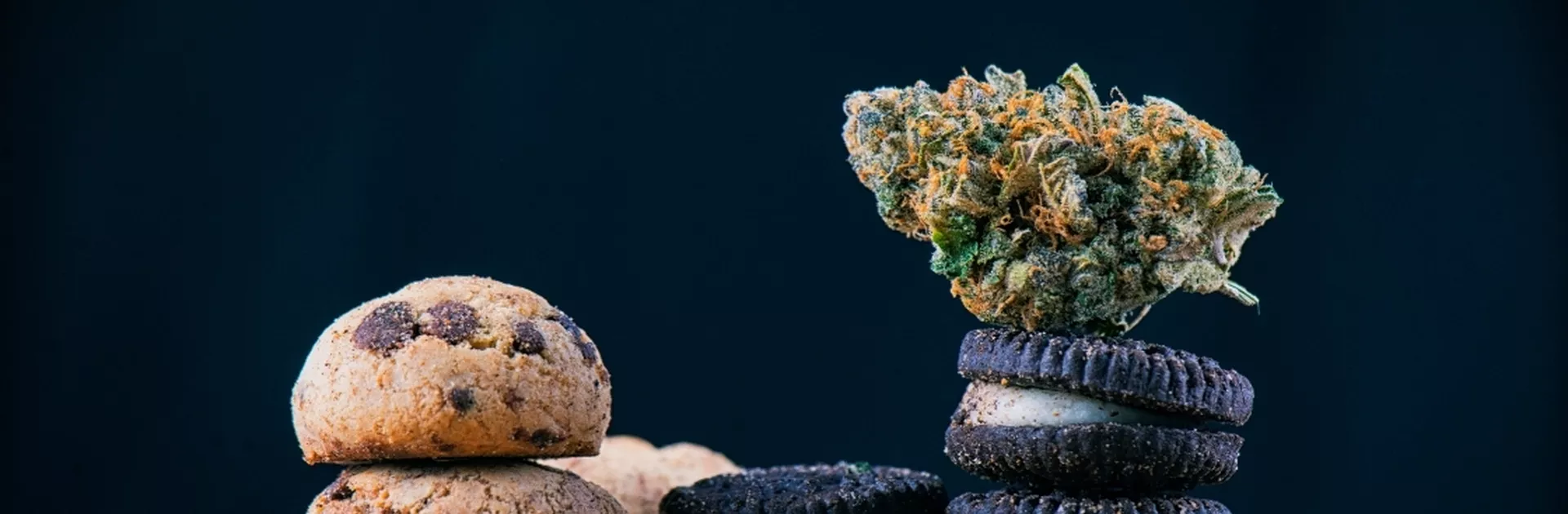
Quick answer: To decarb weed, break it into small pieces, spread it on a parchment-lined baking sheet and bake at about 240°F (115°C) for 30 to 45 minutes, until it turns light golden brown and smells toasted. Decarboxylation uses gentle heat to convert THCA, which is not intoxicating, into THC. It is the essential first step before making cannabutter, oils or any homemade edible.

Have you ever heard of decarbing weed? Don't let the scientific name scare you off; decarboxylation is not as complex as it sounds. Yet, if you plan on making edibles at home, you must understand the basics of cannabis decarboxylation.
With a quick read-through of this article, all your decarbing questions will be answered — including three methods to try in your own kitchen.
What Does Decarboxylation Mean?
In scientific terms, decarboxylation, or decarbing, happens when a chemical reaction removes a carboxyl group and releases carbon dioxide.
Weed decarboxylation turns non-psychoactive THC acid into psychoactive THC. Psychoactive THC is what you want in your weed because it provides the high.
Why Is It Important?
Decarbed weed is important because a raw cannabis plant does not contain psychoactive THC. Raw cannabis only contains THC-A, an acidic form of THC.
An extra group of carboxyl causes the contents of THC-A in raw cannabis. When you decarb cannabis, THC-A will convert to psychoactive THC. Without the psychoactive form of THC, you won't receive the high benefits of your weed.
What Causes Decarbing?
The decarboxylation of weed can be caused by heat and time, heat being the more practical route. Over time decarboxylation will occur, causing some flowers to have minuscule traces of THC before being exposed to heat.
Using the time method will only partially decarb weed. To get the full effect of decarboxylation, you will want to use a heating method.
When using heat, cannabis decarboxylation happens more efficiently and effectively. When smoking or vaporizing, decarboxylation will occur naturally; however, studies suggest that if you decarb weed beforehand, it will enhance the quality of your high.
What Needs to Be Decarbed?
If you want to experience a high, you need to decarb dried cannabis flowers, trim, and kief. Flowers, trims, kief, and hash are all good candidates for decarboxylation. Edibles, oils, and other processed products have technically already gone through a similar process.
How to Decarb Weed
Decarbing weed can be done in a few different ways. Some of the more popular at-home methods include using an oven or mason jar. If longer baking times aren't your friend and you have some extra money to spare, you can also invest in an at-home decarboxylation device.
Decarbing Weed in an Oven
Using your home oven is an excellent way to decarb weed. To get started, all you will need is some parchment paper, a baking sheet, a grinder, and an oven mitt.
Step 1
Your first step will be to preheat your oven to 220-235 degrees Fahrenheit. While the oven is preheating, you can finely grind up your weed until you have your desired amount.
Step 2
Place parchment paper on a clean baking sheet and begin spreading your cannabis out in an even and thin layer over the parchment.
Step 3
Once preheated, you are ready to decarb weed in the oven for 30-45 minutes. After removing the baking sheet from the oven with your oven mitt, let it cool down before using.
Mason Jar Decarb
One benefit of choosing to decarb in a mason jar is the minimization of the cannabis odor. You also have less of a chance of accidentally burning the cannabis this way. You will need a mason jar with a lid, a kitchen towel, a baking sheet, and an oven mitt for this method.
Start by preheating your oven to 240 to 250℉ (115-121℃). For the best bake, make sure the oven rack is positioned in the middle.
While the oven preheats, you can begin to break down the cannabis. You want it to be small enough to where it is close to the size of a grain of rice. Once it is all broken down, you can place it in the mason jar. Close the lid lightly.
Once done preheating, place the baking sheet in the oven and set a 60-minute timer. Every 15 minutes, remove the mason jar with the oven mitt and lightly shake for evenly dispersed cannabis.
When the 60 minutes is up, you can remove the mason jar and let it cool down for 30 minutes before use.
Decarboxylation Device
For those who worry about how long to decarboxylate, using a decarboxylation at-home device will help. Decarboxylation devices come in a variety of shapes, sizes, and price ranges. Many options come with stainless steel-like finishes to seamlessly blend in with the rest of your kitchen appliances.
These devices are beneficial to those who decarb weed at home often. Most models come with an odorless guarantee and are equipped with all the necessary tools and instructions. Decarboxylation mechanisms are also great for those who like to experiment.
Many devices are perfect for making small batches quickly. You can decarb your favorite flowers more efficiently than waiting for the oven. With a device, you also avoid the possibility of burning the cannabis due to varying oven temperatures.
Some older ovens will vary by almost 10 degrees in baking temperature. With a device-specific for decarboxylation, this problem is avoided.
How to Decarb Kief
Kief, the crystals covering cannabis flowers, can be decarbed too. Accumulating enough for it to be helpful can be time-consuming. Luckily, most states where weed is legal will sell it by the box in dispensaries.
To decarb kief, you will need to preheat your oven to 250 degrees Fahrenheit. While the oven preheats, make sure you have the correct amount of kief you will need for your recipe of choice. On a baking sheet or dish, spread your kief out evenly. Once the oven is at 250 degrees, place the kief inside the oven and bake for 20 minutes.
Once the kief has been decarbed, you can make more potent edibles than if the kief was not previously decarbed. Depending on the age of your oven, the desired temperature for baking the kief may vary by 10 degrees. Experimenting with temperatures can be a fun part of the process.
Decarbing Weed is the First Step, Making Edibles is the Second
Once you've successfully decarbed your fresh flower, what will you make first? Try a batch of cannabis-infused butter, to make a deliciously potent brownie. Or what about a jar of cannabis-infused olive oil for a more savory dish?
We'd love to hear about your cannabis experiments in the kitchen. Tell us what THC-rich concoctions you've been making!
Decarb Temperature and Time Chart
| Method | Temperature | Time | Notes |
|---|---|---|---|
| Oven, flower | 230 to 250°F (110 to 120°C) | 30 to 45 min | Stir halfway; use an oven thermometer |
| Oven, kief | 230 to 250°F (110 to 120°C) | 20 to 30 min | Spread thin; kief browns fast |
| Mason jar in oven | 230 to 250°F (110 to 120°C) | 40 to 60 min | Less smell; let the jar cool before opening |
| Decarb device | Preset | Per manufacturer | Most consistent, least odor |
Ovens run hot or cold, so a cheap oven thermometer is the single best upgrade. Going much hotter risks burning off terpenes and degrading THC.
Can You Decarb Weed Without an Oven?
- Decarb device: a sealed countertop unit designed for exactly this job.
- Sous vide: seal the flower in a heat-safe bag and hold it in a water bath near 200 to 203°F for about 90 minutes.
- Slow cooker infusion: decarb partly happens during a long, low infusion, though results are less predictable than decarbing first.
A stovetop pan is not recommended, because the temperature is too hard to control.
What to Do After You Decarb
Once decarbed, your flower is ready to infuse. Pick a base: cannabutter, cannabis coconut oil, infused olive oil or cannasugar. If you would rather skip the kitchen, licensed edibles with a measured dose are on the West Seattle edibles menu and at our Redmond store.
Frequently Asked Questions
What does decarbing weed mean?
Decarbing means heating cannabis to remove a carboxyl group from THCA and CBDA, turning them into THC and CBD. Smoking and vaping do this instantly; for edibles you need to do it first.
Do you need to decarb weed before making edibles?
Yes. Without decarbing, most of the THCA stays inactive and your edibles will be weak.
How do I know when my weed is decarbed?
It changes from green to light golden brown, feels dry and crumbly, and smells toasted rather than fresh.
Can you over-decarb weed?
Yes. Too much heat or time degrades THC and burns off terpenes, which can make edibles feel weaker and taste harsh.
Do you need to decarb kief or concentrates?
Kief, hash and most concentrates sold as dabbable products also need decarbing before cooking. Many distillates are already activated; check the label. Learn more about types of concentrates.
Does decarbing smell?
Yes, it is noticeable. A sealed mason jar or a decarb device cuts the smell a lot.